The earliest months of life are remarkably tender, and the choices made in that stretch can shape the rhythm of the whole home. When a baby’s day is filled with voices, faces, touch, and simple routines, the environment becomes more than a backdrop; it becomes a foundation.
That is why building a Screen Free Baby routine can feel both practical and deeply reassuring. It answers a real search intent: parents want clear, trustworthy, and usable guidance on how to reduce digital exposure without making family life feel complicated. The AAP notes that infants under 18 months learn best from real-world interactions, while the CDC says screen time is not recommended for children younger than 2 years except for video chatting.
Why I Chose No Screen Time For My Baby
For many families, no screen time for babies is not about being strict for the sake of it. It is about protecting attention, supporting early development, and making room for real connection. Small everyday moments matter here: eye contact during feeding, soft conversation during diaper changes, and a calm pace that helps a baby feel secure. The WHO also encourages reading and storytelling with a caregiver as part of healthy early routines.
Reducing Early Screen Exposure
I started by removing background screens from the most ordinary parts of the day. No TV humming during playtime. No phone video as a default calming tool. That simple shift reduced noise and made the home feel more attentive. For infants, less screen exposure means more opportunity to notice faces, voices, and movement in the real world.
Supporting Healthy Baby Development
Babies do not need flashy stimulation to grow well. They need repetition, warmth, and interaction. Singing, naming objects, and responding to babbles all support early language growth and social development. The WHO guideline emphasizes play, reading, and caregiver interaction over sedentary screen-based time in early childhood.
Prioritizing Real Parent Baby Interaction
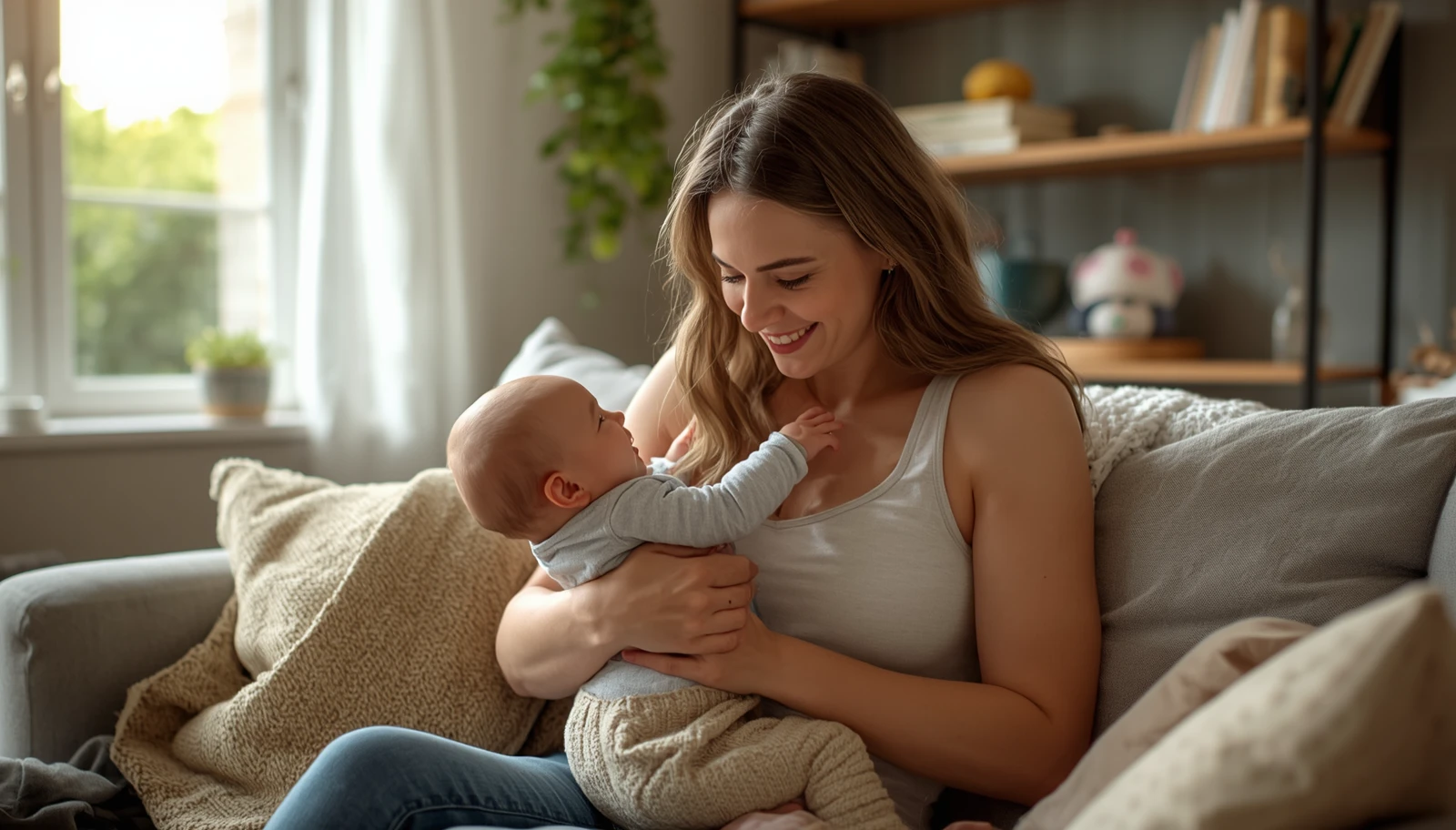
The most valuable moments are often the quietest ones. A pause, a smile, a gentle reply, a shared glance, these are the ingredients of responsive caregiving. Dr. David Hill, MD, FAAP, puts it plainly: “Infants under 18 months learn best from real-world interactions.” That line captures the heart of this approach and why many parents choose a calmer path.
How I Built A Screen Free Baby Routine
Once the decision felt clear, the next step was consistency. A Screen Free Baby routine works best when it is simple enough to repeat and flexible enough to survive busy days. The goal is not perfection. It is a predictable rhythm that helps both parent and baby know what comes next.
Creating Daily Activities Without Screens
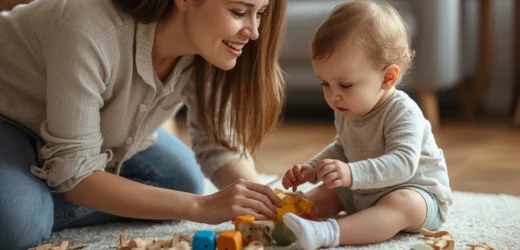
I built the day around small, repeatable actions: feeding, cuddling, tummy time, quiet observation, and short breaks for rest. These are easy screen free activities for infants at home because they do not require special tools or a complicated setup. A blanket on the floor, a safe toy, or a caregiver’s voice can be enough.
Encouraging Talking And Reading Together
I made reading and talking part of the routine, even when the baby was still too young to understand the words fully. That matters because hearing language early creates a richer communication environment. CDC guidance encourages parents to point out objects, sing, and talk often, while WHO highlights reading and storytelling with a caregiver as a healthy habit.
Building Playtime Habits Naturally
Instead of forcing play, I let curiosity lead. A mirror, a soft toy, a hand movement, a sound from across the room, these tiny things often spark more engagement than a screen ever could. That is one reason the best alternatives to screens for babies are usually simple, familiar, and human.
What I Did Instead Of Using Screens
Replacing screens worked best when I focused on the environment, not just the restriction. The space around a baby can either invite connection or interrupt it. By choosing interaction over distraction, the day felt calmer and more intentional.
Introducing Simple Baby Activities
I used low-pressure activities such as gentle songs, floor time, and sensory exploration. These are ideal screen free activities for infants at home because they fit naturally into real life. They also help a baby stay engaged without relying on passive input.
Spending More Time With Interactive Play
Interactive play gave me something richer than any video could offer: a response. A coo, a kick, a stare, a smile. Those reactions create a feedback loop that strengthens bonding and keeps the parent involved in the moment. That kind of connection is one of the strongest reasons to maintain no screen time for babies in the earliest stage.
Creating A Calm Learning Environment
I kept the room uncluttered and the atmosphere soft. Fewer distractions helped the baby notice sounds, faces, and motion more clearly. Dr. Juana Willumsen, WHO focal point for childhood obesity and physical activity, says, “What we really need to do is bring back play for children.” That idea fits beautifully here: play is not extra, it is essential.
Maintain A Healthy No Screen Time Routine
Every small choice you make today becomes part of your baby’s tomorrow. A consistent routine does not need to be perfect to make a lasting difference. By creating daily moments filled with conversation, play, reading, and genuine connection, you are building habits that support healthy development long before your child ever needs a screen.
If you are ready to give your child a stronger beginning, start building your Screen Free Baby routine today. Even one simple change can create meaningful moments that your baby will benefit from every single day.