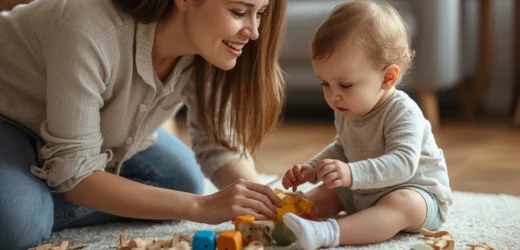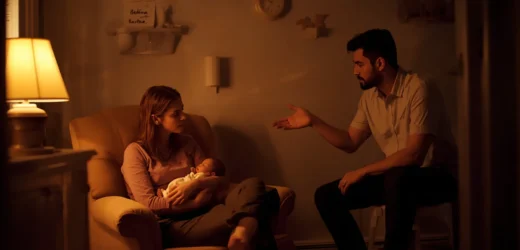
Taking away a toy from a baby may look like a simple parenting moment, but it can reveal a deeper part of emotional development. A baby does not always see a toy as just an object; it can represent comfort, familiarity, curiosity, and a sense of control. When that object suddenly disappears, the emotional response can feel much bigger than expected.
Parents often search for gentle ways to handle these moments because early reactions can influence how babies understand frustration and change. Learning Calming My Baby techniques helps create a supportive environment where babies feel secure while slowly developing emotional awareness and self-regulation skills.
When My Baby Gets Upset Over Toys
A baby becoming upset after losing access to a toy is a common experience that many parents face. These moments are not simply about stopping play; they are opportunities to understand a child’s emotional world and provide guidance with patience and care.
Using Emotional Support Strategies during these situations can help parents respond with empathy while teaching babies that difficult feelings are temporary and manageable.
Why my baby reacts this way
Babies often react strongly when a favorite toy is removed because their ability to understand change is still developing. A toy can represent familiarity, comfort, and independence, especially when babies use it during exploration or daily routines.
At an early age, children are still learning how to process disappointment. They may cry, reach for the toy, or show frustration because they cannot fully express their thoughts through words. Child development expert Dr. T. Berry Brazelton explained that “sensitive responses from caregivers help children build confidence and emotional security.” This perspective shows why a calm reaction from parents can become an important part of early learning.
Understanding my baby’s feelings
Understanding a baby’s emotions starts with recognizing that every reaction has meaning. Crying after losing a toy is often a communication method, not a sign of manipulation or bad behavior.
Parents can acknowledge these feelings by using simple and gentle words, such as explaining that the toy is unavailable while showing understanding toward the baby’s disappointment. When babies experience emotional validation, they begin to associate difficult moments with safety and support rather than fear or confusion.
Knowing when to step in
Parents do not need to immediately remove every frustration their baby experiences. Small challenges can help babies gradually develop patience and adaptability.
However, stepping in with comfort is important when emotions become overwhelming. Staying close, offering reassurance, and providing a calm presence can help babies return to a balanced emotional state.
How I Respond With Gentle Guidance
The way parents respond during emotional moments can shape how babies learn to handle future challenges. Gentle guidance focuses on connection first, helping babies feel understood before introducing new boundaries or transitions.
A thoughtful response does not mean avoiding limits. Instead, it means creating a balance between kindness, consistency, and emotional support.
Staying calm in the moment
Babies often notice the emotional energy of the people around them. When parents remain calm, use a soft voice, and respond slowly, they provide a sense of stability.
A peaceful approach can reduce tension and show babies that strong emotions can be handled safely.
Parents can practice staying present by taking a moment to understand the situation before reacting. This simple habit creates a healthier emotional environment at home.
Helping my baby move on
After acknowledging disappointment, parents can gently guide their babies toward another activity. The goal is not to immediately distract but to help them transition comfortably.
Offering another toy, changing the activity, or introducing a new exploration opportunity can help babies understand that losing one experience does not mean losing connection. These small transitions support emotional flexibility and encourage curiosity.
Setting simple toy boundaries
Boundaries help babies understand that some situations have limits. Even young children benefit from predictable patterns because routines create a sense of security.
Parents can introduce simple boundaries by explaining when toys need to be put away, why certain objects are unavailable, and what activity comes next. When boundaries are delivered with warmth, babies learn that rules and love can exist together.
Helping My Baby Handle Big Feelings
Big emotions are a natural part of early childhood. Babies are not born knowing how to manage disappointment, so they depend on supportive adults to guide them through these experiences.
By creating consistent emotional responses, parents can help their children develop healthier ways to understand feelings and adjust to change.
Making my baby feel safe
Emotional safety allows babies to explore their feelings without feeling alone. A comforting presence from parents helps children understand that frustration does not remove their sense of security.
Simple actions such as gentle words, physical reassurance, and staying nearby can create a stronger emotional connection.
Dr. Alison Gopnik, a psychologist specializing in child development, has highlighted that “children learn through exploration supported by caring relationships.” This shows how everyday parenting interactions contribute to long-term development.
Building emotional awareness
Babies gradually learn emotional awareness through repeated experiences. When parents name feelings and respond consistently, children begin to recognize emotional patterns.
Words like happy, upset, tired, or frustrated can become early communication tools. Over time, these simple expressions help babies understand themselves and interact better with others.
Creating easier transitions
Transitions become easier when babies receive preparation. Sudden changes can feel confusing, while gentle signals help them understand what will happen next.
Parents can create smoother moments by giving short reminders, maintaining routines, and offering reassurance during changes. Learning how to calm a baby after taking away a favorite toy helps parents transform challenging moments into opportunities for emotional growth and stronger connection.
Build A Calmer Bond With My Baby
Every small parenting moment is an opportunity to strengthen your baby’s emotional foundation. By responding with patience, consistency, and understanding, you can help your little one feel secure while learning to manage big feelings with confidence.
Start practicing gentle Calming My Baby techniques today and make every challenging moment another step toward a stronger, calmer, and more trusting bond with your baby.